Source Customized Sports Championship Ring for Awards, Gifts, Decorations
Compare 30 customized sports championship ring options from verified suppliers. Buyers can evaluate zinc alloy materials, die casting processes, and custom design features for tournament awards, promotional gifts, and personal decorations; compare the available evidence and request quotations based on your requirements.
Key considerations
Products List
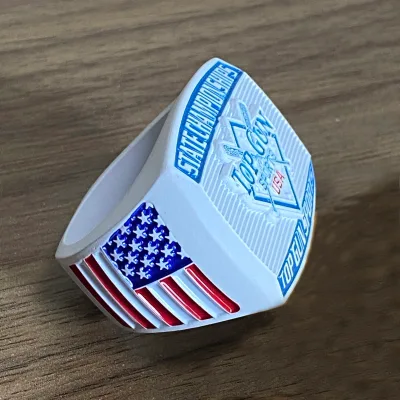
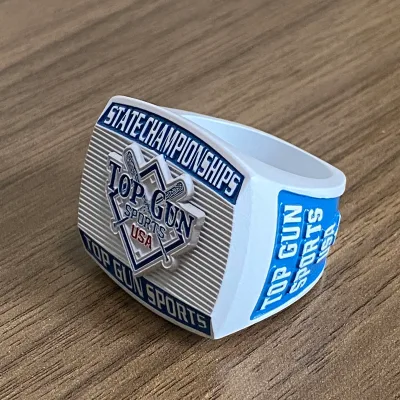


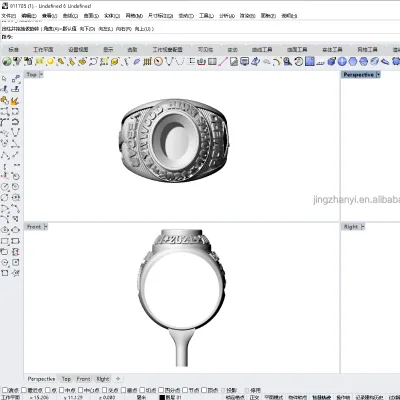
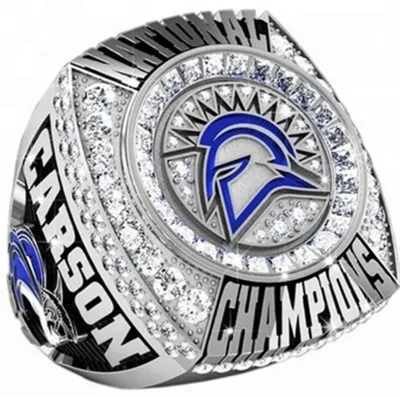
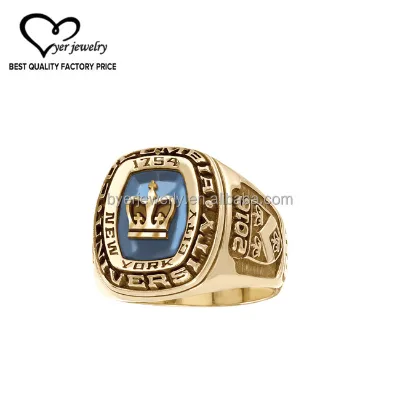
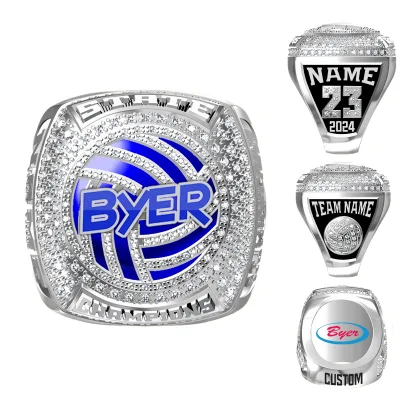
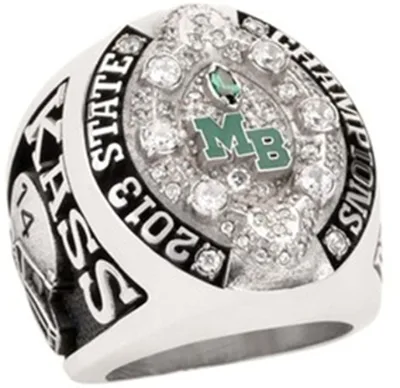
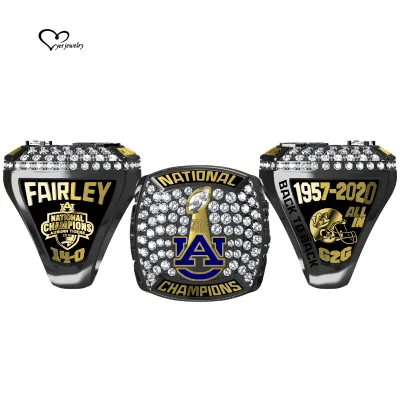
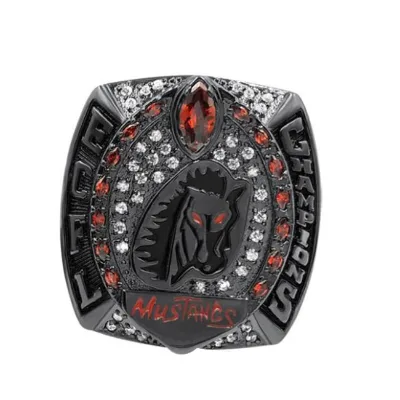

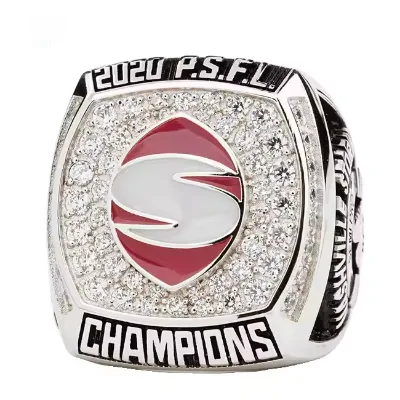
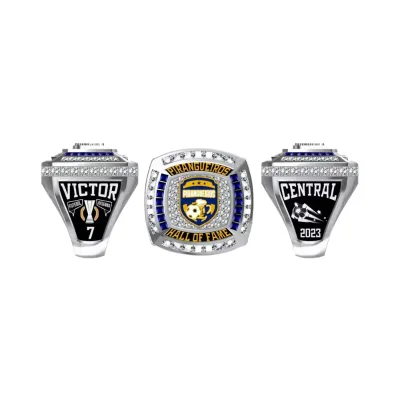
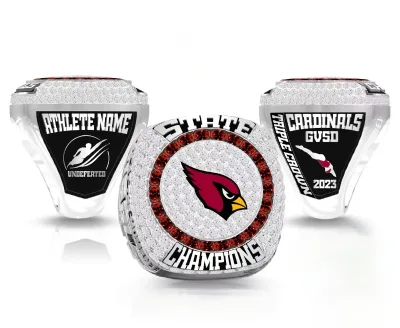
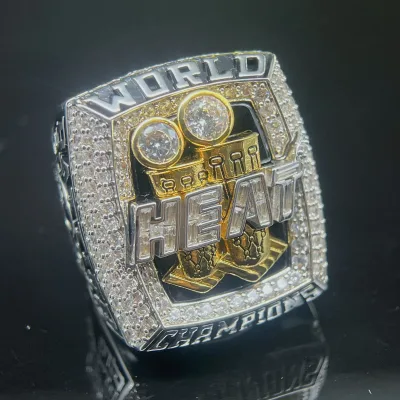
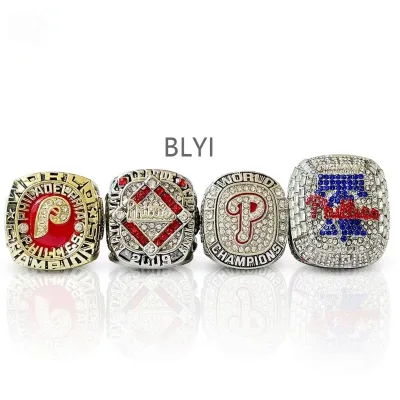
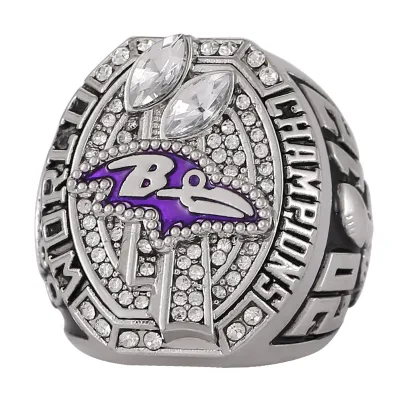
Comprehensive Sourcing Guide
Customized Sports Championship Ring Sourcing Guide
Sourcing customized sports championship rings requires a strategic approach that balances aesthetic fidelity with structural durability, as these items serve as high-value symbols of achievement. Buyers must navigate a market where visual impact is paramount, relying on techniques like die casting and electroplating to achieve the desired metallic finishes such as gold, silver, bronze, or black. The customization process typically involves soft enamel detailing and the inclusion of crystal or acrylic stones, which demand precise alignment during production to ensure a premium look. Understanding these manufacturing nuances helps procurement teams set realistic expectations for lead times and quality control measures, ensuring that the final product meets the rigorous standards expected in tournament championships and promotional events.
The procurement journey begins with defining the specific design requirements, as most suppliers offer OEM services and accept custom designs for various applications including weddings, decorations, and gifts. It is crucial to verify the material composition, which is often zinc alloy or other alloys, to ensure the ring has sufficient weight and feel without being excessively heavy or prone to tarnishing. Buyers should also consider the packaging options, ranging from simple PP bags to more luxurious velvet boxes, as this affects the perceived value of the gift. By clearly communicating these details early in the sourcing process, buyers can avoid misunderstandings and ensure that the supplier’s capabilities align with the project’s aesthetic and functional goals, leading to a smoother production cycle.
Product Scope and Observed Listing Signals
The current market for customized sports championship rings exhibits a wide range of pricing and minimum order quantities, reflecting the diversity of buyer needs from individual collectors to large organizational orders. Observed listing signals indicate a price range that can vary significantly based on the complexity of the design, the type of stones used, and the finish applied. Minimum order quantities typically start as low as one piece for samples or small batches, scaling up to one thousand pieces for larger promotional campaigns. This flexibility allows buyers to test designs with small orders before committing to mass production, reducing financial risk and enabling iterative improvements based on physical prototypes.
Listing data also reveals that suppliers often provide multiple product models, such as JC-N171, GT1123, and various ZKC series codes, which may represent different base designs or customization templates. These models serve as starting points for buyers who may not have a fully developed design from scratch, allowing them to modify existing structures to fit their branding or thematic requirements. The presence of these specific model numbers suggests a standardized production framework that can be adapted for custom orders, ensuring consistency in quality and fit. Buyers should use these model references as a baseline for discussions with suppliers, asking for detailed specifications and sample availability for each to make informed decisions about which base design best suits their needs.
Technical Specifications to Verify
Verifying technical specifications is critical to ensuring that the customized sports championship ring meets both aesthetic and functional requirements. Buyers should confirm the fabrication processing methods, such as die casting and semi-manual processing, which influence the level of detail and finish quality. The use of electroplating for finishes like gold, silver, or painting must be checked for durability and adherence to color accuracy standards. Additionally, the inclusion of stones, whether crystal or acrylic, requires verification of their setting method to prevent loss during wear. These technical details directly impact the longevity and visual appeal of the ring, making them essential points of discussion during the supplier evaluation phase.
Size and fit are another crucial technical aspect, as rings must accommodate both adult and child wearers depending on the target audience. Buyers should specify whether the size is custom or based on standard measurements, and ensure that the supplier can produce rings in the required dimensions accurately. The gender neutrality of the design, often listed as unisex, should also be confirmed to ensure broad applicability. Furthermore, the printing methods, such as letterpress printing for logos or text, must be evaluated for clarity and precision. By addressing these technical specifications early, buyers can prevent costly revisions and ensure that the final product aligns with their intended use cases, whether for personal decoration, promotion, or collection.
Compliance and Safety Documentation
While specific certification statuses are not always explicitly listed in product descriptions, buyers must proactively request compliance documentation to ensure the rings meet international safety standards. This is particularly important for products intended for children or for use in promotional events where safety regulations may be strict. Buyers should inquire about the presence of heavy metal restrictions, such as lead and cadmium limits, which are common in jewelry manufacturing. Verifying that the materials used, including the zinc alloy and any plating, are free from harmful substances is essential for protecting end-users and avoiding legal liabilities. This due diligence helps maintain brand reputation and ensures that the products can be sold in regulated markets without risk of recall.
In addition to material safety, buyers should verify the environmental and ethical standards of the manufacturing process. Although not always detailed in initial listings, reputable suppliers often adhere to specific environmental management systems or ethical labor practices. Requesting information about the supplier’s compliance with these standards can provide insight into their overall operational integrity. Buyers may also need to ensure that the packaging materials, such as PP bags or velvet boxes, are recyclable or meet specific disposal regulations in their target market. By prioritizing compliance and safety documentation, buyers can mitigate risks associated with product liability and enhance the trustworthiness of their supply chain, ultimately leading to more sustainable and responsible procurement practices.
Cost Drivers and Commercial Terms
Understanding the cost drivers for customized sports championship rings involves analyzing the impact of design complexity, material choices, and order volume on the final price. The use of soft enamel, crystal stones, and multiple electroplating layers can increase production costs compared to simpler designs. Buyers should also consider the impact of custom sizing and unique logo embossing or debossing, which may require additional tooling or manual labor. Minimum order quantities, which can range from fifty pieces to higher thresholds, significantly influence the per-unit cost, with larger orders typically benefiting from economies of scale. By carefully balancing these factors, buyers can optimize their budget while maintaining the desired quality and aesthetic standards for their championship rings.
Commercial terms, including lead times and payment methods, are also critical components of the procurement strategy. Typical lead times for production range from fifteen to thirty days, with sample times taking six to eight days, which must be factored into project planning. Buyers should negotiate clear payment terms, such as TT, PayPal, or Western Union, to ensure financial security and flexibility. Shipping methods, including express services like DHL, UPS, and FedEx, as well as air or sea freight for larger orders, will also affect the total cost and delivery timeline. By establishing transparent commercial terms early in the sourcing process, buyers can avoid unexpected expenses and ensure that the project stays on schedule and within budget, facilitating a smoother transaction from order placement to final delivery.
Supplier Qualification and Quality Control
Evaluating supplier qualification is essential to ensure that the customized sports championship rings meet the required quality standards. Buyers should verify the supplier’s experience in die casting and electroplating, as these processes require specialized skills to achieve consistent finishes and structural integrity. Checking for OEM capabilities and a history of successful custom design projects can provide confidence in the supplier’s ability to handle complex requirements. Additionally, buyers should assess the supplier’s quality control processes, including in-line inspections and final product checks, to ensure that defects are minimized. This due diligence helps identify reliable partners who can deliver high-quality products consistently, reducing the risk of receiving substandard items that could damage the buyer’s reputation.
Quality control measures should also include verification of the packaging and labeling processes, as these elements contribute to the overall customer experience. Buyers should ensure that the supplier uses appropriate packaging, such as poly bags or velvet boxes, to protect the rings during shipping and storage. Clear labeling and accurate documentation are also important for inventory management and customer satisfaction. By establishing strict quality control criteria and conducting regular audits or sample inspections, buyers can maintain high standards throughout the production process. This proactive approach to supplier qualification and quality control ensures that the final products meet the buyer’s expectations and provide a premium experience for the end-users, whether they are athletes, collectors, or promotional recipients.
Long-Term Procurement Checks
Long-term procurement checks involve establishing ongoing relationships with suppliers to ensure continuous improvement and reliability in the supply of customized sports championship rings. Buyers should implement regular performance reviews to assess the supplier’s adherence to quality standards, lead times, and communication effectiveness. This includes monitoring any changes in material sourcing or manufacturing processes that could impact product consistency. By maintaining open lines of communication and providing constructive feedback, buyers can foster a collaborative environment that encourages the supplier to innovate and improve their offerings. This long-term perspective helps build a resilient supply chain that can adapt to changing market demands and customer preferences over time.
Additionally, buyers should periodically re-evaluate the cost structure and commercial terms to ensure they remain competitive and aligned with market conditions. This may involve negotiating better pricing for larger volumes or exploring alternative shipping methods to reduce costs. Buyers should also stay informed about industry trends and technological advancements in jewelry manufacturing, such as new plating techniques or sustainable materials, to identify opportunities for enhancement. By continuously monitoring and adjusting their procurement strategies, buyers can ensure that their customized sports championship rings remain relevant and high-quality, supporting their brand’s reputation and customer satisfaction in the long run. This strategic approach to procurement helps mitigate risks and maximizes the value derived from the supplier relationship.
FAQs
What materials are used for the championship rings?
The rings are primarily made from zinc alloy or general alloy materials. They feature a die casting fabrication process with electroplating finishes available in gold, silver, bronze, or black. The design includes soft enamel and crystal or acrylic stones for decoration.
Can I get a custom design for my sports ring?
Yes, custom design and customization are available for these championship rings. Buyers can specify unique styles, logos, and sizes. The product supports OEM services with embossed, debossed, or laser logo options to meet specific tournament or team requirements.
What is the minimum order quantity for these rings?
The minimum order quantity is typically 50 pieces, though observed ranges extend from 1 to 1000 units depending on the supplier. Buyers should verify specific MOQs as some listings allow single item purchases while others require larger bulk orders for custom production.
How long does it take to produce custom rings?
The standard lead time for production is 15 to 30 days after order confirmation. Sample preparation takes approximately 6 to 8 days. Shipping methods like DHL, UPS, or FedEx are used for samples and small orders to ensure timely delivery.
Where are these championship rings manufactured?
These rings originate from Guangdong, China. The manufacturing process involves semi-manual fabrication and die casting techniques. All products are sourced from verified locations within this region to ensure quality control and consistent production standards for global buyers.
What packaging options are available for the rings?
Packaging options include PP bags, poly bags, OPP bags, or velvet boxes depending on the specific product model. Buyers can choose between single item packing or bulk packaging. Custom packaging solutions are often available to suit promotional or gift-giving needs.
Which payment methods are accepted for these orders?
Accepted payment methods include TT, PayPal, and Western Union. These options provide flexibility for international transactions. Buyers should confirm specific payment terms with the supplier before finalizing the order to ensure secure and timely processing of funds.